 Development Roast Giving international development a proper roasting
 By: Lykke E. Andersen*
Economists distinguish between open and hidden unemployment, and I think it is possible to introduce a similar distinction in the area of gender inequality.
I will define open gender inequality as that which is reflected in all the traditional gender indicators, such as gender gaps in school enrolment, gender differences in labour market participation rates, gender pay gaps, etc. I would usually have referred to the World Bank’s World Development Indicators for such data, but they have been updating their website, and I can’t find anything anymore. The United Nations system for SDG indicators is even worse. Instead, Our World in Data has vastly improved, so that is my new go-to site for all kinds of development statistics, including gender inequality data (https://sdg-tracker.org/gender-equality).
 By Ioulia Fenton and Tracey Li.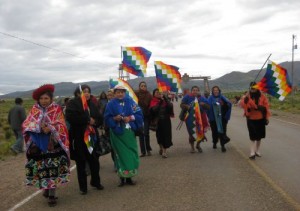
 What exactly leads to development is a topic of great debate in academic and practical circles. Proposed cures for
  What would you do if you were the mother of a young girl born into a social setting where her gender automatically affects her chances of independence, riches and success? Most of us live in such societies as gender imbalances are institutionalised and pervasive the world over. Take the recently exposed gender gap in US election coverage published by 4thEstate.net that showed that even on important issues specifically facing women (such as reproductive health, birth control, women’s rights), the US media consulted the voices of actual women only 12-31% of the time.